Guidance
Everything worth knowing before you spend a rupee
How solar actually works, what you can claim, how net metering settles your bill, and honest answers to the questions we are asked most.
How Solar Works
Four steps between sunlight landing on your roof and a smaller number at the bottom of your electricity bill.
- 01
Panels convert sunlight to DC
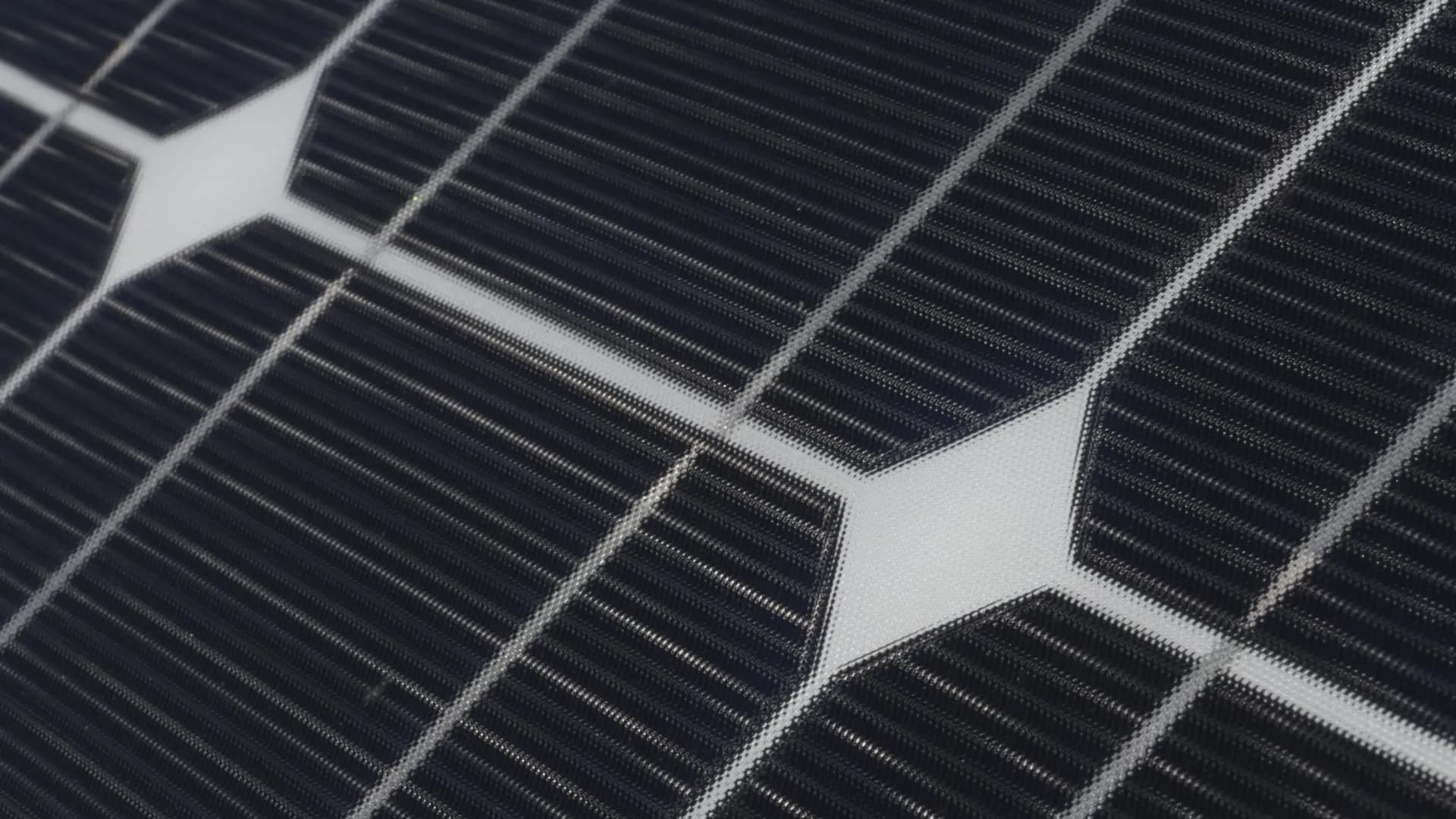
Photovoltaic cells in each module generate direct current whenever light hits them — no moving parts, no fuel, no noise.
- 02
The inverter makes it usable
DC is converted to alternating current at the voltage and frequency your building and the grid both expect.
- 03
Your building consumes first
Solar power feeds your own load before anything else. Every unit consumed on site is a unit you do not buy at retail tariff.
- 04
Surplus exports to the grid
Whatever you do not use flows out through a bidirectional meter and is credited against the units you import at night.
Solar Calculator
Estimate your system in ten seconds
Move the slider to your average monthly electricity bill. The estimate updates immediately — system size, annual generation, annual savings and indicative payback.
It is a rule-of-thumb model, not an engineering calculation. A site assessment settles the real figures by measuring your roof and mapping shading through the day.
Solar Calculator
- System Size
- 3.0 kW
- Annual Generation
- 4,380 units
- Annual Savings
- ₹35,040
- Est. Payback
- 2.1 yrs
Indicative estimate. Final system sizing depends on site assessment, electricity consumption and roof conditions.
Subsidy & Net Metering
Residential rooftops in Uttar Pradesh can claim both central assistance under PM Surya Ghar and a state benefit on top of it.
| System size | Central (PM Surya Ghar) | State (UP) | Total |
|---|---|---|---|
| 1 kW | ₹30,000 | ₹15,000 | ₹45,000 |
| 2 kW | ₹60,000 | ₹30,000 | ₹90,000 |
| 3 kW and above | ₹78,000 | ₹30,000 | ₹1,08,000 |
Central assistance is ₹30,000 per kW for the first 2 kW and ₹18,000 for the third, capped at ₹78,000. State assistance is capped at ₹30,000. Residential connections only — schemes and amounts are set by government and can change. We confirm current eligibility in your proposal.
How net metering settles your bill
What the meter records
A bidirectional meter counts units exported to the grid and units imported from it separately. You are billed on the net difference, not on everything you consumed.
Where surplus goes
Excess generation carries forward month to month as banked credits. Strong summer months are what cover the monsoon shortfall.
Annual settlement
At the end of the settlement year, unused credits are paid out at a rate set by your state regulator — usually below the retail tariff you pay for imports.
Why sizing matters
Because export settles low and import costs high, a system sized far beyond your consumption earns less per unit than one matched to it.
How It Works
From consultation to clean energy in 6 simple steps.
- 01
Share Your Details
Tell us your average electricity bill and where the property is. Two minutes on the phone is enough to know whether solar is worth pursuing.
- 02
Free Site Assessment
An engineer visits, measures the roof, checks shading through the day and inspects your existing meter and wiring.
- 03
Customized Proposal
A layout drawing, a component list, a generation estimate and one clear price — including exactly what subsidy you qualify for.
- 04
Professional Installation
Structure, modules, cabling and inverter installed by our own engineering team, with the roof left clean and waterproofing intact.
- 05
System Activation
DISCOM inspection, bidirectional net meter installation and commissioning, with all paperwork filed on your behalf.
- 06
Start Saving
Your bill drops from the first cycle. Five years of free AMC, remote monitoring and a support line that stays reachable.
Your Solar Investment
Transparent pricing. Maximum value.
- System Cost
- ₹1,80,774
- Government Benefit / Subsidy
- −₹1,08,000
- Final Payable
- ₹72,774
Estimated Payback
2.1 Years
Indicative example — final pricing depends on system size, site conditions and applicable benefits.
Based on a 3 kW system for a residential connection. Commercial and industrial sites claim accelerated depreciation instead of subsidy.
Frequently Asked Questions
The questions we get asked most, answered without the sales gloss.
Roughly 80 sq ft of shade-free roof per kW. A 3 kW system needs about 240 sq ft, a 5 kW system about 400 sq ft. Elevated structures let you keep using the terrace underneath, so the panels do not have to cost you the space.
Still have a question?
Ask us directly. No obligation — we would rather talk you out of the wrong system than sell you one.
91613 30331